
Understanding Commercial Solar Panel Costs: A Clear Guide to Commercial Solar Costs
Switching to solar energy is a smart move for many businesses and organizations. It’s not just about saving money on electricity bills; it’s about investing in a cleaner, more sustainable future. But before making that leap, one of the biggest questions I hear is about the price tag. How much will it really cost to install commercial solar panels? Today, I want to break down the commercial solar costs in a way that’s easy to understand and practical for anyone considering this step.
Breaking Down Commercial Solar Costs: What You Need to Know
When we talk about commercial solar costs, it’s important to realize that the price isn’t just about the panels themselves. There are several components that add up to the total investment:
Solar panels: The core of the system, converting sunlight into electricity.
Inverters: Devices that convert the solar energy from DC to usable AC power.
Mounting hardware: Structures that hold the panels in place, whether on rooftops or the ground.
Installation labor: Skilled work to set everything up safely and efficiently.
Permits and inspections: Required by local authorities to ensure compliance with regulations.
Maintenance and monitoring: Ongoing costs to keep the system running smoothly.
Each of these factors can vary depending on the size of the system, the location, and the specific needs of the business or project.
For example, a small retail store might need a system that produces 20 kW of power, while a large warehouse could require 200 kW or more. Naturally, the bigger the system, the higher the upfront cost, but the savings over time can be substantial.
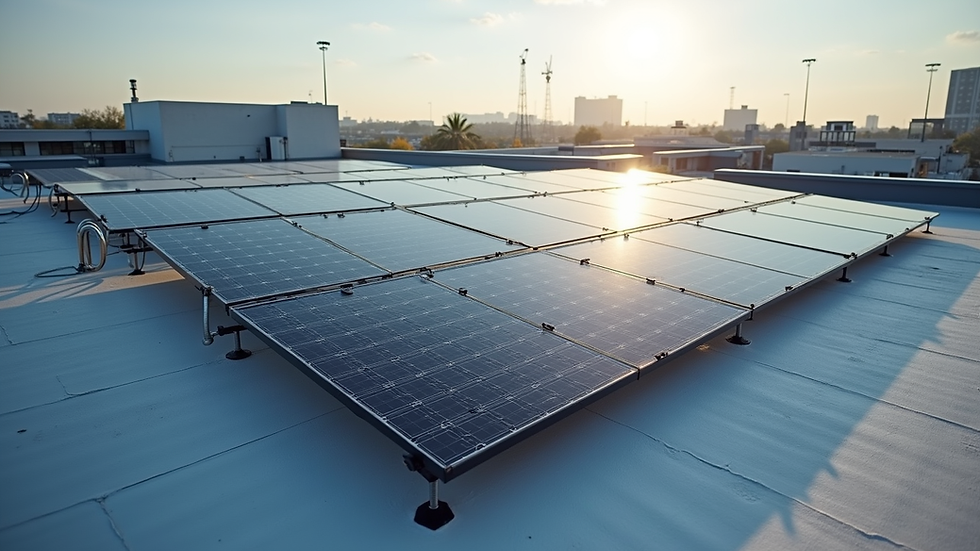
What Influences the Price of Commercial Solar Panels?
Several key factors influence the overall commercial solar costs. Understanding these can help you plan better and avoid surprises:
System Size
Larger systems cost more upfront but often have a lower cost per watt. This means you get more value for your money as the system grows.
Panel Quality and Type
Higher efficiency panels might cost more but produce more energy in less space. This can be crucial if roof space is limited.
Location and Sunlight Availability
The amount of sunlight your location receives affects how much energy your system can generate. In places with more sun, you might need fewer panels.
Installation Complexity
Roof type, height, and accessibility can impact labor costs. A simple flat roof is easier and cheaper to work on than a steep or irregular one.
Incentives and Rebates
Government programs can significantly reduce your net cost. It’s worth researching what’s available in your area.
Energy Usage Patterns
Understanding your energy needs helps size the system correctly, avoiding overspending on unnecessary capacity.
By considering these factors, you can get a clearer picture of what your commercial solar project might cost.
Which Solar Panel Is Best for Commercial Use?
Choosing the right solar panel is crucial for maximizing your investment. Here’s what I recommend focusing on:
Efficiency: Commercial spaces often have limited roof area. Panels with higher efficiency produce more power per square foot, making the most of your space.
Durability: Look for panels with strong warranties and proven resistance to weather conditions. Commercial systems are long-term investments.
Cost-effectiveness: Balance upfront cost with performance. Sometimes, slightly more expensive panels save money in the long run due to better output and reliability.
Type of panels:
- Monocrystalline panels are known for high efficiency and sleek appearance.
- Polycrystalline panels are usually less expensive but slightly less efficient.
- Thin-film panels are flexible and lightweight but generally less efficient and less common in commercial settings.
For most commercial applications, monocrystalline panels tend to be the best choice due to their efficiency and durability. However, your specific needs and budget might lead you to a different option.

How Financing and Incentives Affect Commercial Solar Costs
One of the biggest hurdles for many businesses is the upfront cost. Fortunately, there are several financing options and incentives that can make commercial solar more affordable:
Leasing and Power Purchase Agreements (PPAs): These allow you to install solar panels with little or no upfront cost. You pay a monthly fee or buy the power generated at a set rate.
Loans: Many banks and financial institutions offer loans specifically for solar projects, often with favorable terms.
Tax credits and rebates: Governments often provide incentives to encourage solar adoption. These can cover a significant portion of the cost.
Depreciation benefits: Businesses can sometimes write off the cost of solar equipment over time, reducing taxable income.
By combining these options, you can lower the initial investment and improve your return on investment. It’s worth consulting with a solar expert or financial advisor to explore what’s available in your area.
If you’re curious about the specifics, you might want to check out this detailed resource on how much do commercial solar panels cost to get a tailored estimate.
Practical Tips for Reducing Your Commercial Solar Costs
Here are some actionable recommendations to help you manage and reduce your commercial solar costs:
Get multiple quotes: Don’t settle for the first offer. Comparing different installers can save you money and ensure you get the best service.
Plan for future expansion: If you expect your energy needs to grow, design your system to be scalable. This avoids costly upgrades later.
Optimize your energy usage: Implement energy efficiency measures alongside solar installation to reduce overall demand.
Choose local installers: Local companies understand regional regulations and conditions better, often leading to smoother installations and better support.
Maintain your system regularly: Keeping panels clean and checking for issues ensures maximum efficiency and longevity.
By following these tips, you can make your solar investment more cost-effective and reliable.
Looking Ahead: The Value of Investing in Commercial Solar
Investing in commercial solar panels is more than just a financial decision. It’s a commitment to sustainability, energy independence, and long-term savings. While the upfront commercial solar costs might seem significant, the benefits often outweigh the initial expense.
Solar energy can protect your business from rising electricity prices, reduce your carbon footprint, and even enhance your reputation as a responsible organization. Plus, with ongoing advancements in technology and increasing incentives, solar power is becoming more accessible than ever.
If you’re ready to explore solar options, take the time to understand your energy needs, research your options, and consult with trusted professionals. The journey to clean, reliable energy is worth every step.
I hope this guide has helped clarify the costs involved in commercial solar panel installation. Remember, every project is unique, but with the right information and planning, solar energy can be a powerful asset for your business or organization.


Comments