
Understanding Commercial Solar Panel Costs: A Clear Guide
Switching to solar energy is a smart move for many businesses and organizations. It’s not just about saving money on electricity bills but also about investing in a cleaner, more sustainable future. However, one of the biggest questions I often hear is about the price tag. How much will it really cost to install commercial solar panels? Today, I want to break down the costs in a straightforward way, so you can make an informed decision.
Breaking Down Commercial Solar Panel Costs
When we talk about commercial solar panel costs, it’s important to understand that the price depends on several factors. Unlike residential solar systems, commercial setups are usually larger and more complex. This means the initial investment can be significant, but the long-term benefits often outweigh the upfront expense.
Here are the main components that affect the overall cost:
System Size: Larger systems with more panels cost more but generate more power.
Type of Panels: High-efficiency panels might cost more but save space and produce more energy.
Installation Complexity: Roof type, height, and shading can impact labor costs.
Additional Equipment: Inverters, mounting hardware, and wiring add to the total.
Permits and Inspections: Local regulations may require fees.
Maintenance and Warranties: Some providers include these in the price.
Understanding these elements helps you see where your money goes and how to plan your budget.
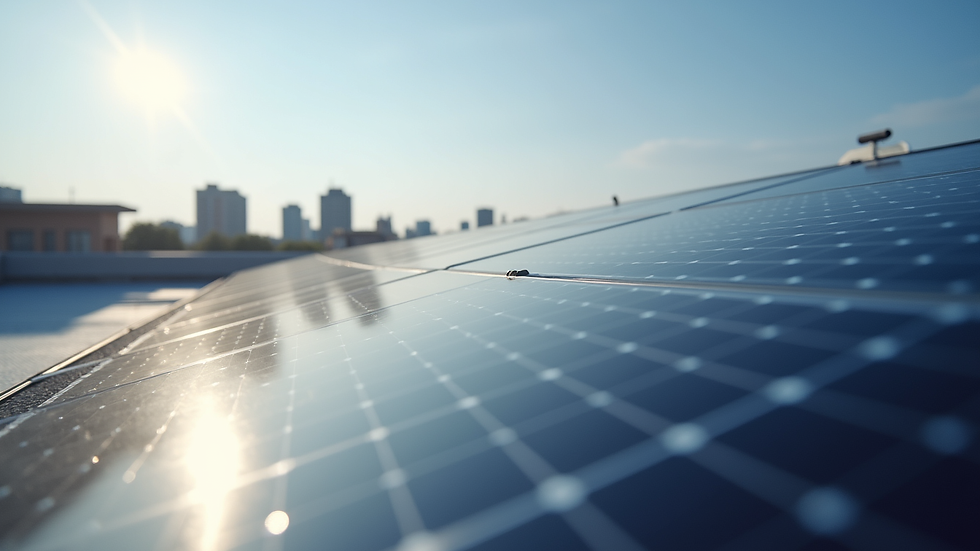
What is the cost of commercial solar panels?
Now, let’s get to the heart of the matter: what is the cost of commercial solar panels? On average, commercial solar panel systems can range from $100,000 to $500,000 or more, depending on the size and complexity. This might sound like a lot, but remember, these systems are designed to power entire buildings or multiple facilities.
To give you a clearer picture:
A small commercial system (around 50 kW) might cost between $100,000 and $150,000.
A medium system (100 kW to 250 kW) could range from $200,000 to $400,000.
Larger systems (500 kW and above) can exceed $500,000.
These prices usually include equipment, installation, and basic warranties. Keep in mind, prices can vary based on location, supplier, and specific project needs.
How to Calculate Your Return on Investment
Investing in commercial solar panels is not just about the upfront cost. It’s about the savings and benefits over time. Here’s how I suggest you think about your return on investment (ROI):
Estimate Your Energy Usage: Look at your current electricity bills to understand how much power you consume.
Calculate Potential Savings: Solar panels reduce your electricity bills. The more energy you generate, the more you save.
Consider Incentives: Government rebates, tax credits, and local incentives can significantly reduce your net cost.
Factor in Maintenance: Solar panels require minimal upkeep, but it’s good to budget for occasional cleaning and inspections.
Estimate Payback Period: This is the time it takes for your savings to cover the initial investment. Typically, commercial solar systems pay for themselves in 5 to 10 years.
By running these numbers, you can see how solar panels become a financially sound choice over time.
Financing Options for Commercial Solar Projects
One of the biggest hurdles for many businesses is the upfront cost. Fortunately, there are several financing options that make commercial solar more accessible:
Leasing: You pay a monthly fee to use the solar system without owning it. This reduces upfront costs but may limit some financial benefits.
Power Purchase Agreements (PPAs): You buy the electricity generated at a fixed rate, often lower than your current utility rate.
Loans: Many banks and financial institutions offer loans specifically for solar projects.
Grants and Incentives: Local governments and organizations sometimes provide grants or low-interest loans.
Choosing the right financing option depends on your financial situation and long-term goals. I recommend consulting with a solar expert to find the best fit.

Tips for Reducing Commercial Solar Panel Costs
If you’re wondering how to lower the cost of your commercial solar project, here are some practical tips I’ve found helpful:
Get Multiple Quotes: Don’t settle for the first estimate. Comparing offers can save you thousands.
Choose the Right Size: Oversizing your system can increase costs unnecessarily. Match the system size to your actual energy needs.
Consider Roof Condition: Installing panels on a roof that needs repairs can add to costs. Fix any issues beforehand.
Look for Local Incentives: Some regions offer special rebates or tax breaks for solar installations.
Plan for Future Expansion: Design your system so you can add more panels later without major changes.
These steps can help you get the most value from your investment.
Why Commercial Solar Panels Are Worth It
You might still be asking yourself, “Is it really worth it?” From my experience, the answer is a resounding yes. Commercial solar panels offer:
Long-term Savings: Lower energy bills mean more money stays in your business.
Energy Independence: Reduce reliance on the grid and protect against rising electricity prices.
Environmental Impact: Solar power reduces carbon footprint and supports sustainability goals.
Enhanced Reputation: Customers and partners appreciate businesses that invest in clean energy.
Switching to solar is a big decision, but it’s one that pays off in many ways.
If you want to explore more about how much do commercial solar panels cost, I encourage you to reach out to local experts who can provide tailored advice and quotes. Taking the first step toward solar energy could be the best decision for your business or organization.
Solar power is not just an expense - it’s an investment in a brighter, cleaner future.


Comments