
Switching to Solar in India: How It Works & What It Costs
Solar energy is becoming a popular choice for many Indian households and businesses. With rising electricity bills and increasing awareness about environmental issues, more people are asking: how do solar panels in India work, and what does it cost to switch? I’ve explored the details of solar energy systems, government subsidies, and the practical steps to install a rooftop solar system. This post will help you understand the process clearly and decide if solar power is right for you.

How Solar Energy Works in India
Solar panels convert sunlight into electricity using photovoltaic (PV) cells. When sunlight hits these cells, it creates an electric current. This electricity can power your home or business directly. In India, solar panels are designed to work efficiently even in hot and humid conditions, making them ideal for most regions.
There are two main types of solar systems used in India:
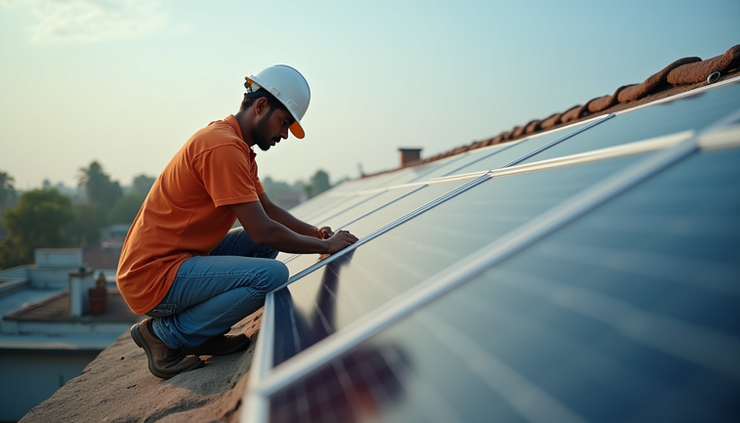
Rooftop solar system: Installed on the roofs of homes or commercial buildings to generate electricity for onsite use.
Grid-tied solar system: Connected to the local electricity grid, allowing users to feed excess power back to the grid and draw power when solar generation is low.
Grid-tied systems are popular because they reduce electricity bills by offsetting consumption with solar power. When your system produces more electricity than you use, the extra energy is sent to the grid, and you receive credits from your utility company.
Benefits of Installing Solar Panels in India
Switching to solar offers several advantages:
Lower electricity bills: Generate your own power and reduce dependence on costly grid electricity.
Reliable power supply: Solar systems can provide backup during power cuts when paired with batteries.
Environmental impact: Solar energy reduces carbon emissions and reliance on fossil fuels.
Government incentives: Various schemes make solar installation more affordable.
Understanding the Rooftop Solar Subsidy Process
The Indian government supports solar adoption through subsidies and schemes. The Rooftop solar subsidy process helps reduce upfront costs for homeowners and businesses. Here’s how it generally works:
Application: You apply through your state nodal agency or authorized solar installer.
Verification: Your property and system design are verified.
Installation: After approval, the solar panels are installed.
Subsidy release: The government releases the subsidy amount directly to the installer or consumer.
The subsidy typically covers 40-60% of the system cost, depending on your location and system size. This makes solar panels in India more affordable for many.
What Does It Cost to Install Solar Panels in India?
The cost of installing a rooftop solar system depends on several factors:
System size: Measured in kilowatts (kW), typical home systems range from 3 kW to 10 kW.
Type of system: Grid-tied systems are usually less expensive than off-grid or hybrid systems with batteries.
Quality of panels and inverter: Higher quality components cost more but last longer and perform better.
Installation charges: Vary by region and installer.
On average, a 3 kW rooftop solar system costs between ₹1.5 lakh to ₹2.5 lakh before subsidies. After applying the Rooftop solar subsidy process, the effective cost can drop by up to 40%. For example, under the PM Surya Ghar Muft Bijli Yojana, eligible households may receive additional support or free installation in some states.
Solar Subsidy 2026 India: What to Expect
The government has extended solar subsidies and incentives through 2026 to encourage clean energy adoption. The Solar subsidy 2026 India plan aims to:
Expand rooftop solar installations in urban and rural areas.
Increase subsidy coverage for low-income households.
Promote grid-tied solar systems to improve energy efficiency.
If you plan to install solar panels soon, it’s wise to check the latest subsidy schemes available in your state. Many state electricity boards and renewable energy departments provide updated information online.

Steps to Switch to Solar in India
If you’re ready to switch to solar, here’s a simple guide:
Assess your electricity needs: Review your monthly electricity bills to estimate the system size.
Find a reliable installer: Choose a certified company experienced with rooftop solar systems.
Check subsidy eligibility: Confirm if you qualify for government schemes like the PM Surya Ghar Muft Bijli Yojana.
Apply for subsidy: Submit your application through the installer or state nodal agency.
Installation and inspection: Get your system installed and inspected by authorities.
Connect to the grid: For grid-tied systems, coordinate with your electricity provider for net metering.
Start saving: Monitor your solar system’s performance and enjoy lower electricity bills.
Final Thoughts on Solar Panels in India
Switching to solar energy in India is a practical way to reduce electricity costs and support a cleaner environment. Understanding how solar energy works and the financial benefits of government subsidies can help you make an informed decision. The rooftop solar subsidy process and schemes like the PM Surya Ghar Muft Bijli Yojana make solar power more accessible than ever.


Comments