
Business Solar Savings: Unlocking the Power of Commercial Solar Energy
Switching to solar energy is more than just a trend. It’s a smart, practical choice that can transform how businesses manage their energy costs. I’ve seen firsthand how investing in solar panels can lead to significant savings and a cleaner environment. If you’re curious about how solar power can benefit your business, you’re in the right place. Let’s explore the ins and outs of business solar savings and how they can impact your bottom line.
Understanding Business Solar Savings
When I first looked into solar energy for my business, I wanted clear answers: How much money could I really save? What factors influence those savings? Business solar savings come from reducing your reliance on traditional electricity sources. Instead of paying monthly bills to utility companies, your solar panels generate power from the sun, which is free and abundant.
Here’s what affects your savings:
Energy consumption: The more electricity your business uses, the more you can save by generating your own power.
Solar system size: Larger systems produce more energy, increasing your savings potential.
Local electricity rates: Higher utility rates mean bigger savings when you switch to solar.
Sunlight availability: Locations with more sun hours yield better solar performance.
Incentives and rebates: Government programs can reduce upfront costs and improve your return on investment.
By understanding these factors, you can estimate how much your business might save over time. For example, a medium-sized office in a sunny area could cut its electricity bill by 50% or more within the first year.
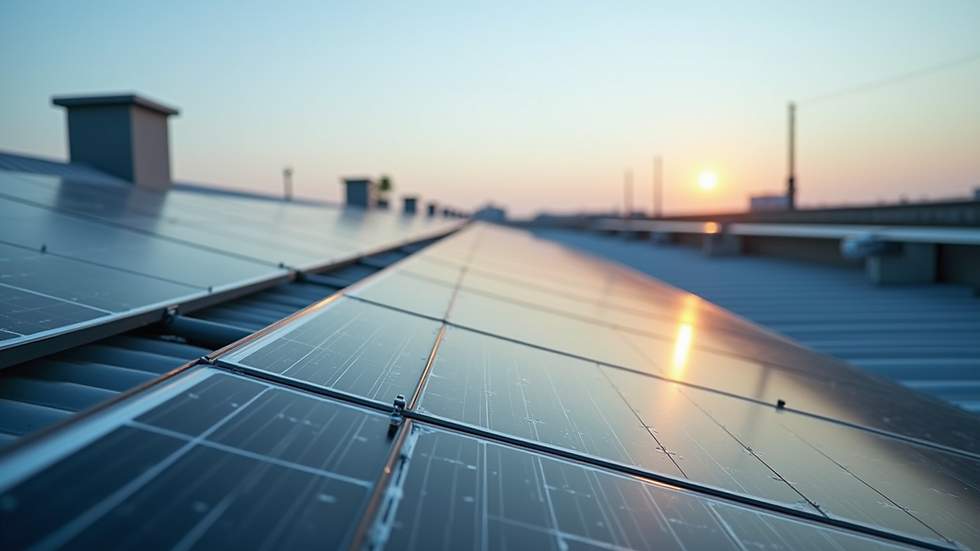
How Solar Panels Cut Costs for Businesses
Solar panels work by converting sunlight into electricity. This electricity powers your business during the day, reducing the amount you need to buy from the grid. Over time, this adds up to substantial savings. But there’s more to it than just lower bills.
Reduced demand charges: Many businesses pay extra fees based on their peak electricity use. Solar energy can lower these peaks, cutting demand charges.
Protection against rising energy prices: Electricity rates tend to increase over time. Solar panels lock in your energy costs, shielding you from future hikes.
Tax benefits and incentives: Various programs offer tax credits, rebates, and accelerated depreciation, making solar more affordable.
Increased property value: Solar installations can boost your property’s market value, a bonus if you ever decide to sell.
I remember a local business that saved thousands annually just by installing solar panels and taking advantage of government incentives. Their energy bills dropped, and they gained a competitive edge by promoting their commitment to sustainability.
Calculating Your Return on Investment
One of the first questions I had was: How long will it take to recoup the cost of installing solar panels? This is where understanding your return on investment (ROI) becomes crucial.
To calculate ROI, consider:
Initial installation cost: This includes equipment, labor, permits, and any additional expenses.
Annual energy savings: Estimate how much you’ll save on electricity bills each year.
Incentives and rebates: Subtract any financial support you receive.
Maintenance costs: Solar panels require minimal upkeep, but it’s good to factor in occasional cleaning or inspections.
For many businesses, the payback period ranges from 4 to 8 years. After that, the energy your panels produce is essentially free, leading to pure savings. Plus, solar panels typically last 25 years or more, so the long-term benefits are significant.
If you want a more precise estimate, many solar providers offer free consultations and customized savings reports. This can help you make an informed decision tailored to your business needs.

Practical Tips for Maximizing Solar Savings
Getting the most out of your solar investment means planning carefully and staying proactive. Here are some tips I’ve found useful:
Conduct an energy audit: Understand where and how your business uses electricity. This helps size your solar system correctly.
Choose quality equipment: Reliable panels and inverters perform better and last longer.
Monitor your system: Use monitoring tools to track energy production and spot issues early.
Consider battery storage: Storing excess energy can increase savings by using solar power even when the sun isn’t shining.
Schedule energy-intensive tasks during the day: Align your business operations with peak solar production to maximize self-consumption.
By following these steps, you can boost your savings and ensure your solar system runs smoothly for years to come.
Why Switching to Solar Makes Sense Today
If you’re still on the fence, consider this: solar energy is not just about saving money. It’s about investing in a sustainable future. Every kilowatt-hour of solar power reduces your carbon footprint and supports cleaner air and water.
Plus, with advances in technology and growing support from governments, solar has never been more accessible or affordable. Businesses that adopt solar now position themselves as leaders in environmental responsibility and innovation.
If you want to learn more about how solar can benefit your business, check out this detailed guide on commercial solar energy savings. It’s packed with practical advice and real-world examples to help you take the next step.
Taking the Next Step Toward Solar Savings
Switching to solar energy is a journey, but it’s one worth taking. Start by gathering information, consulting with experts, and evaluating your energy needs. Remember, the goal is to find a solution that fits your business and budget while delivering long-term savings.
I encourage you to explore solar options and see how much you could save. With the right approach, your business can enjoy lower energy costs, greater independence, and a positive impact on the environment.
Solar power is more than an investment in energy - it’s an investment in your business’s future. Why wait to start saving?


Comments